




Front loader production stages - part 3 (welding).
Welding.
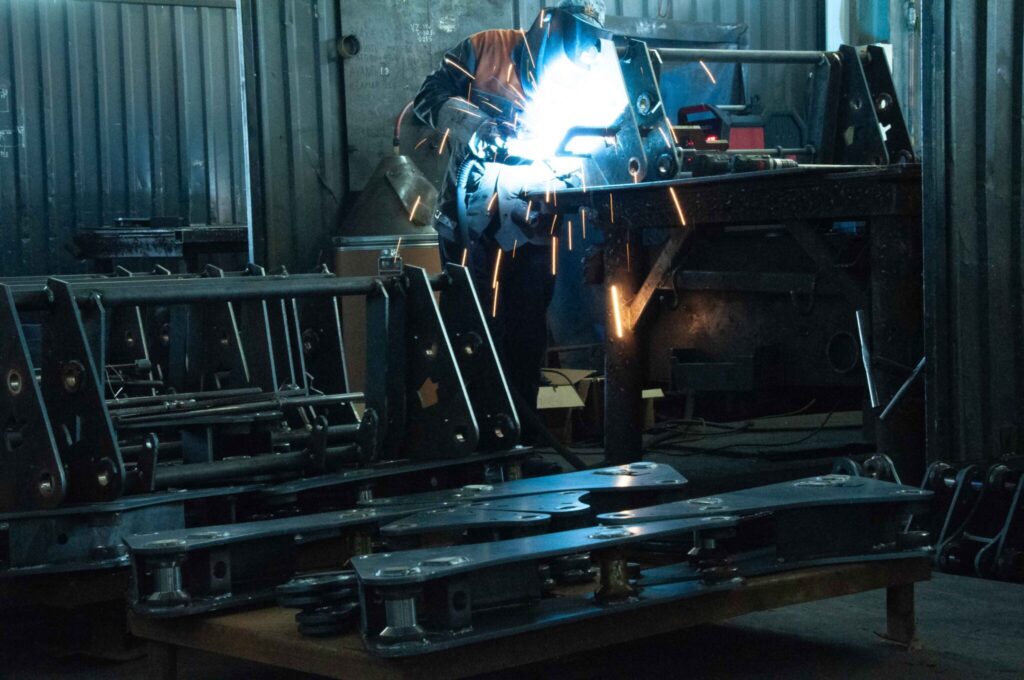
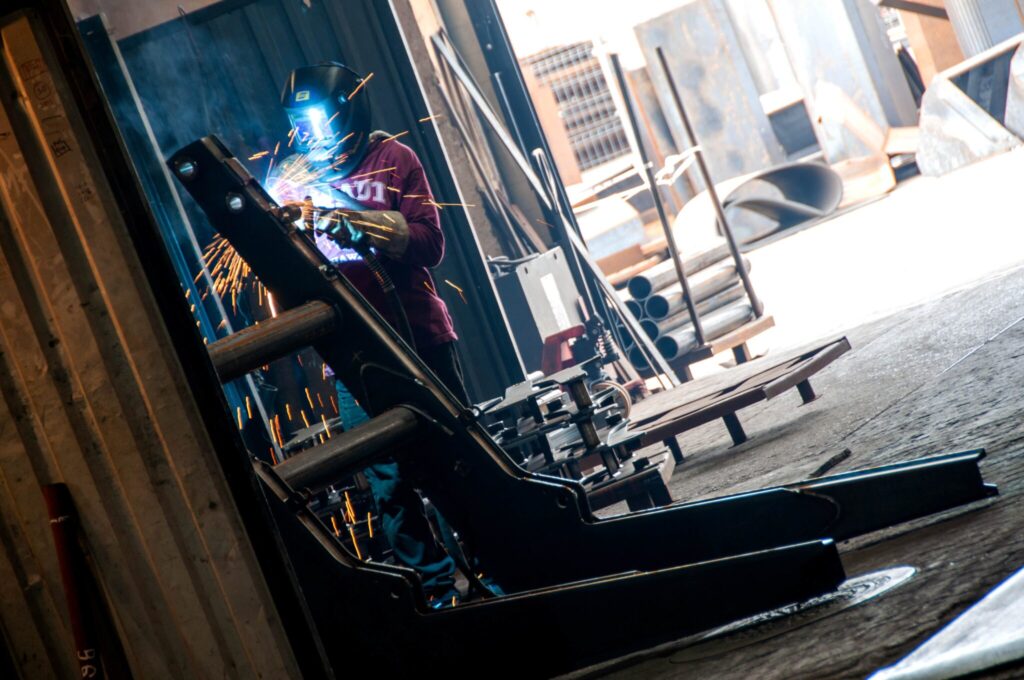
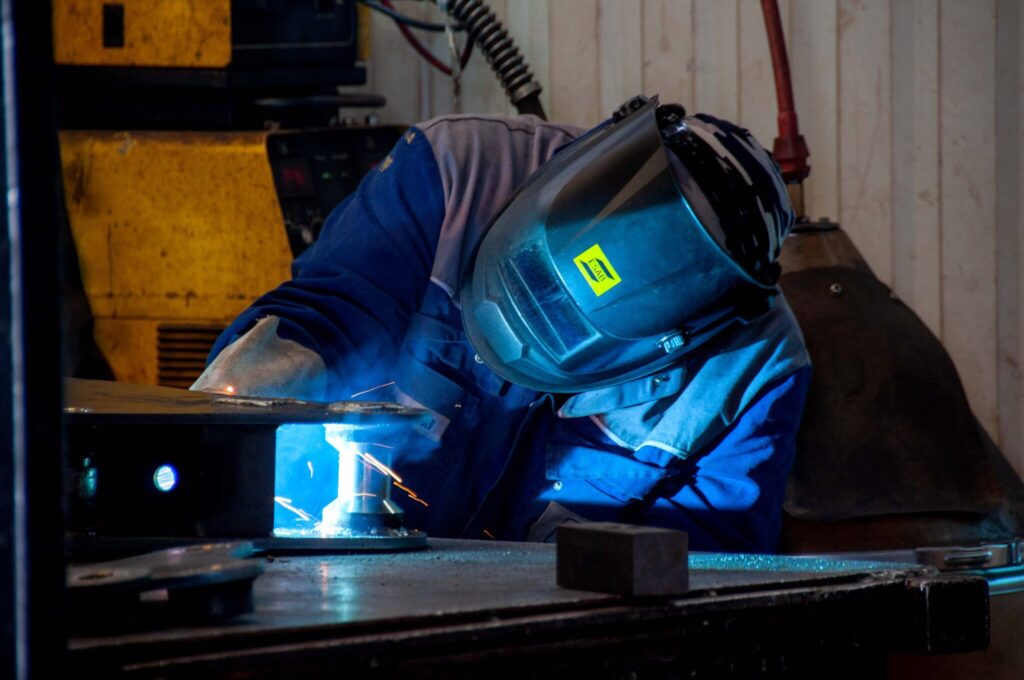
The most spectacular and one of the most interesting stages of Metal-Technik TYTAN MT front loader production.
Welding is an extremely complex and labor-intensive process. The quality and durability of the entire loader's structure depend on it.
The welding process of Metal-Technik front loader structural elements involves several key stages that are essential for ensuring the strength and durability of the construction.
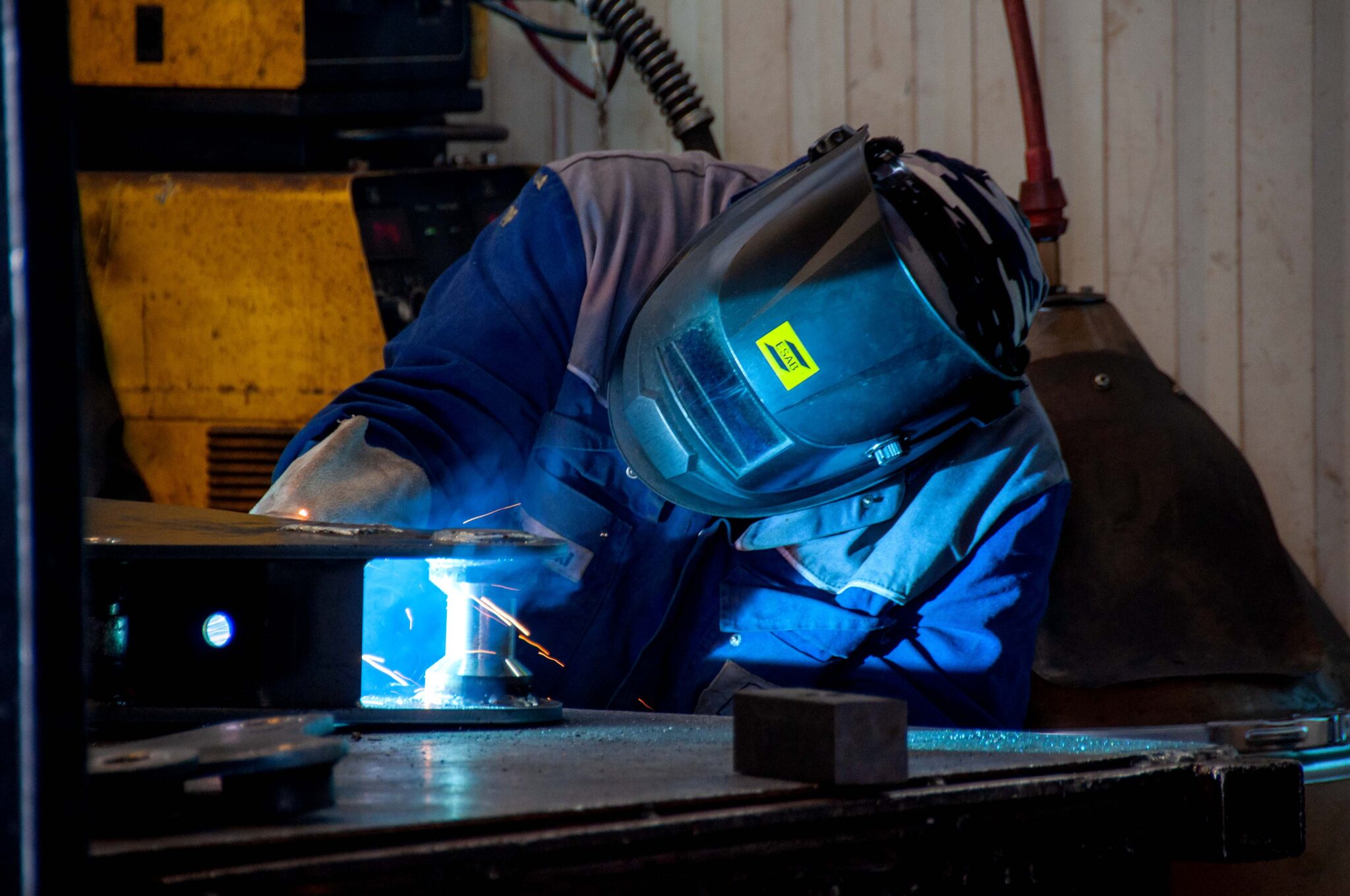
The following is a general description of this process:
1. Material Preparation
Before welding begins, all structural components are carefully prepared.
This includes:
• material cutting: steel sheets and other components are cut to the appropriate dimensions using saws, lasers, or plasma,
• Surface cleaning: Surfaces to be welded must be free of contaminants such as oil, rust, or paint. Cleaning is done mechanically (e.g., with wire brushes) or chemically.
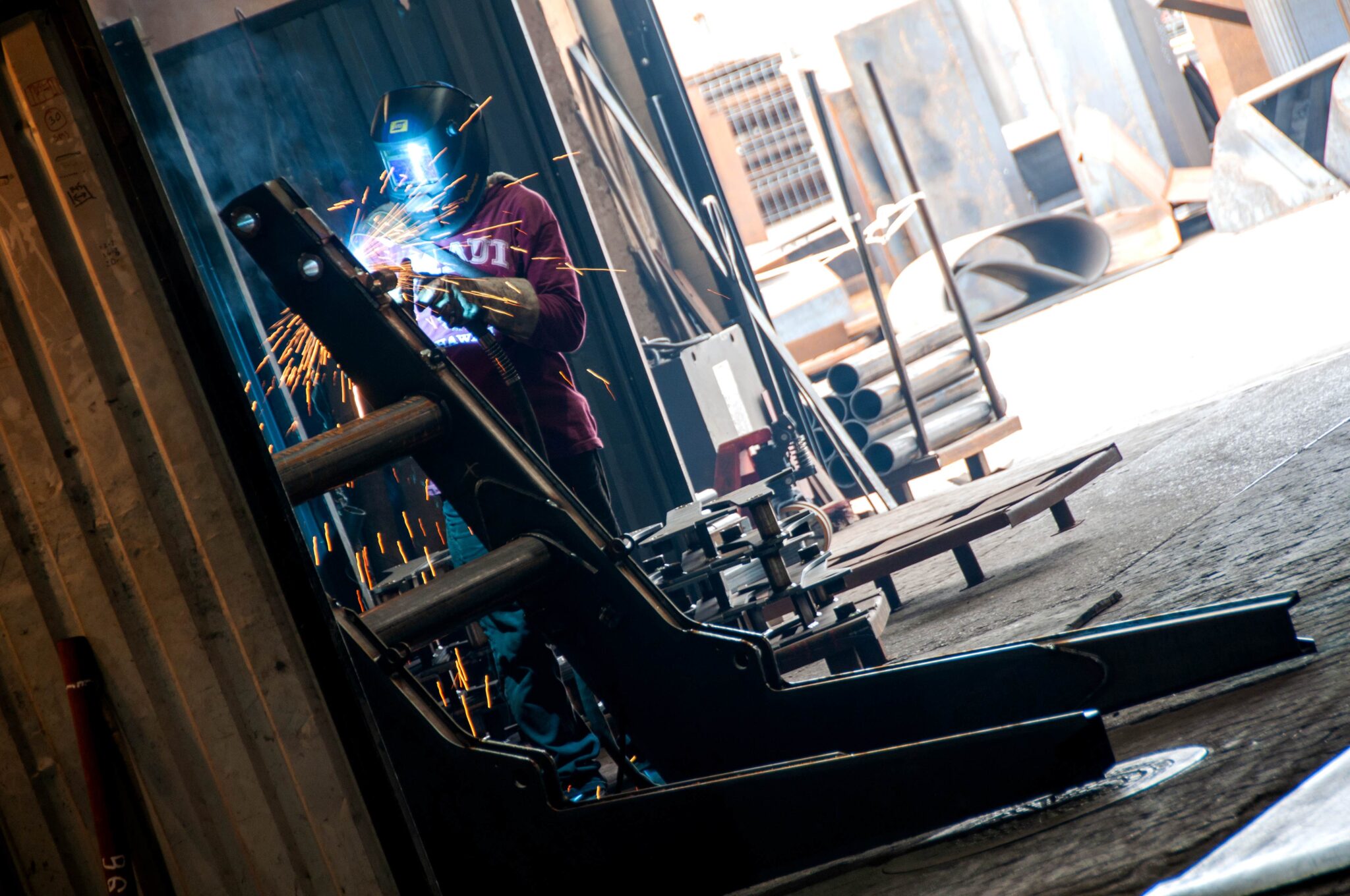
2. Installation and mounting
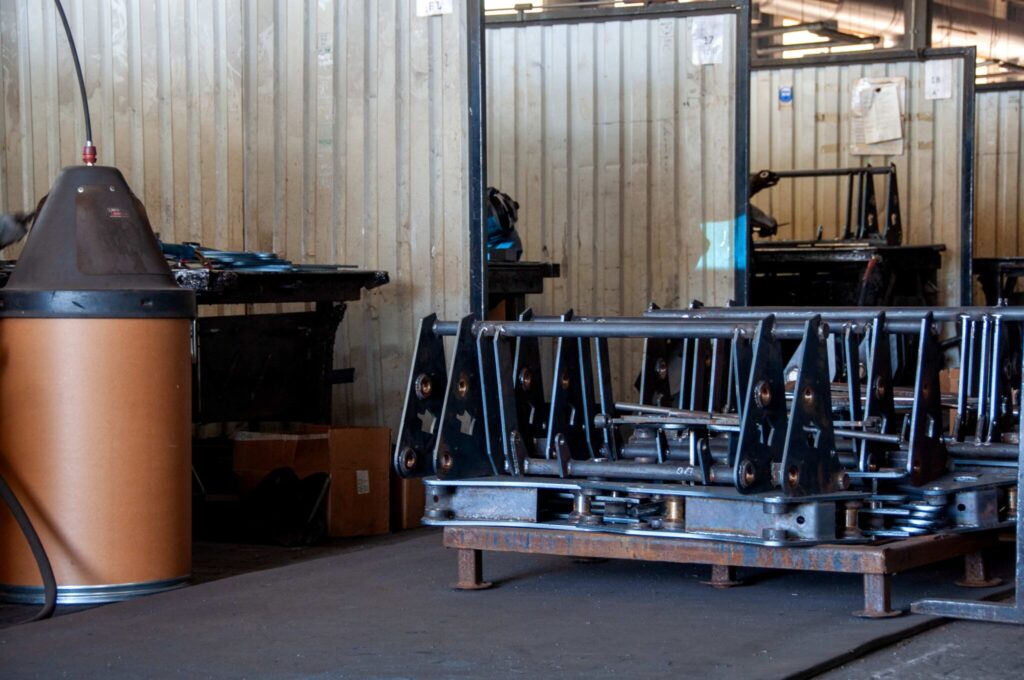
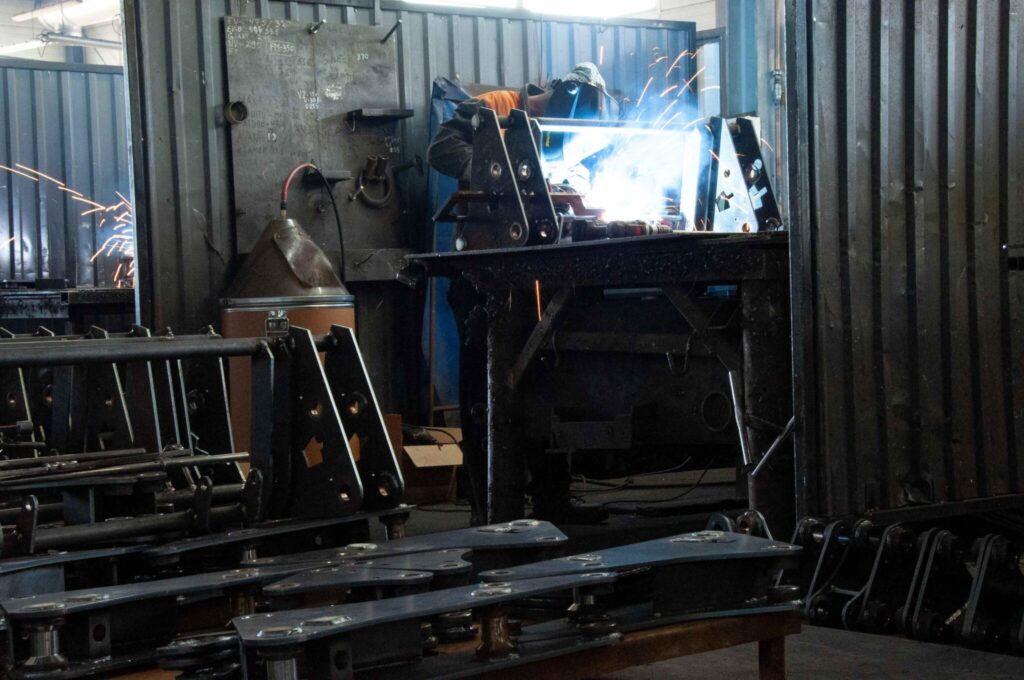
The elements intended for welding are assembled and secured in their appropriate positions. Precise alignment and fastening of the elements are crucial for obtaining accurate welds. Various types of clamps, vises, and assembly tables are used for this purpose.
3. Selection of Welding Method
Depending on the structural and material requirements, the appropriate welding method is chosen.
The most commonly used methods are:
MIG/MAG welding (Metal Inert Gas/Metal Active Gas): popular for its high efficiency and weld quality,
TIG welding (Tungsten Inert Gas): used where high weld quality and precision are required,
• Stick welding (MMA): a method often used in more difficult conditions or for thicker materials.
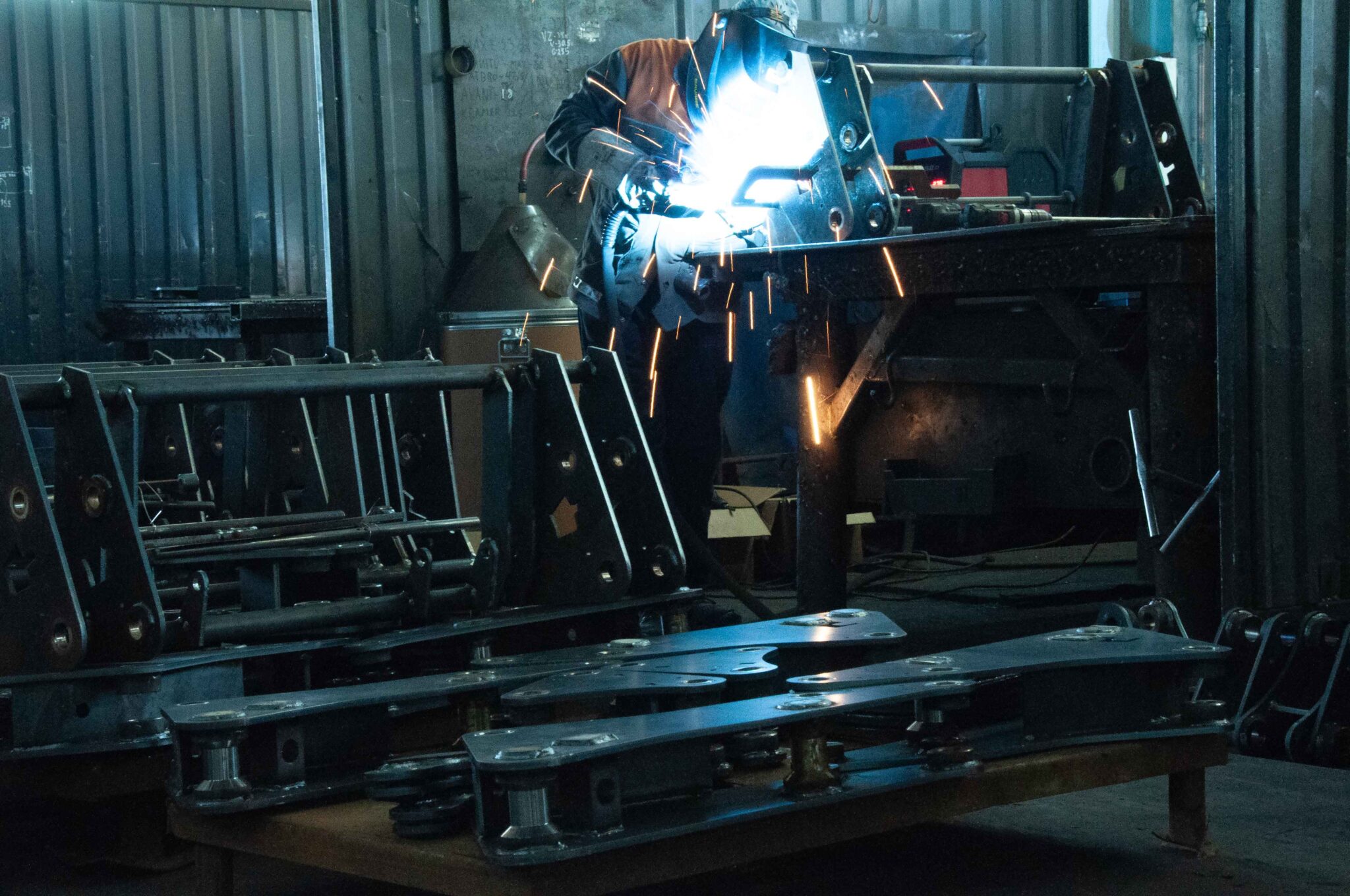
4. Welding
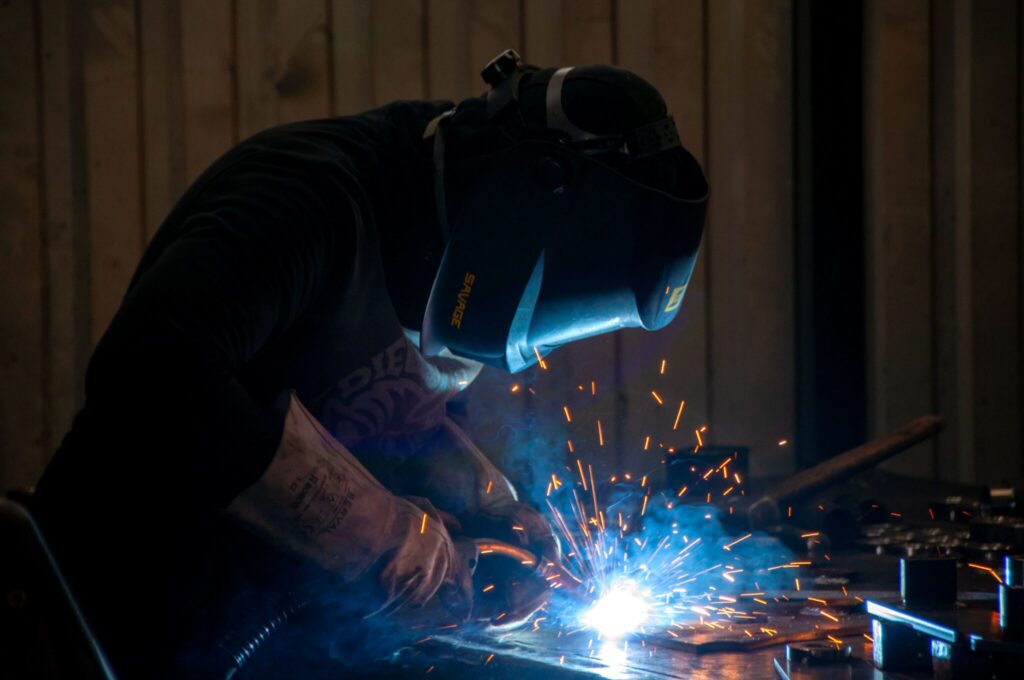
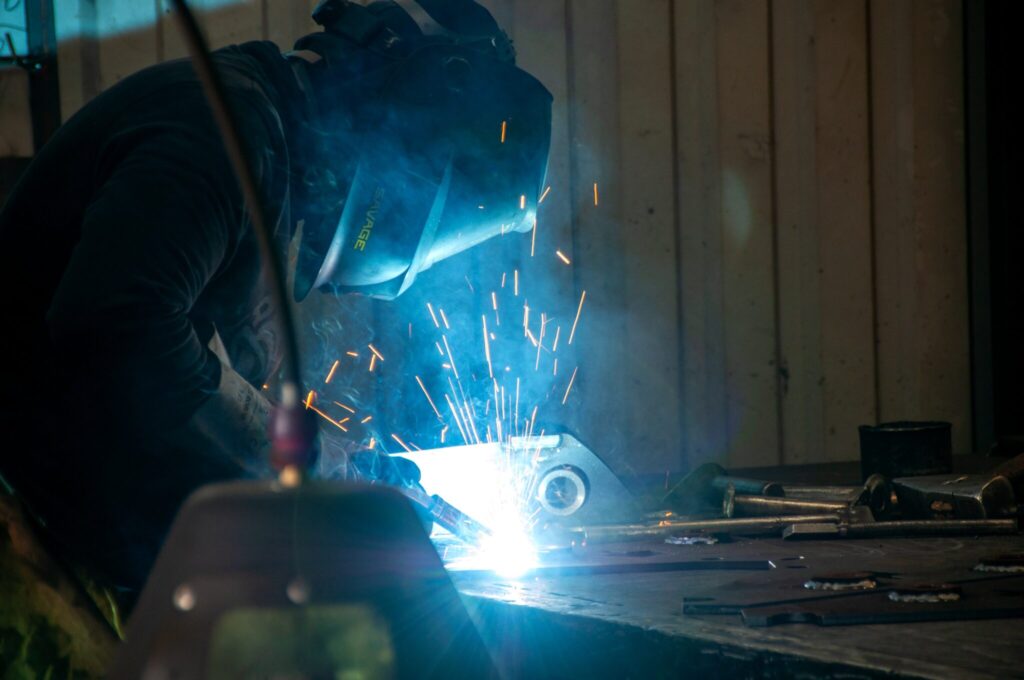
Welding is performed according to a predetermined plan. It is important for the welder to be well-qualified and possess the appropriate certifications.
The welding process includes:
• Setting welding parameters: appropriate speed, amperage, and voltage.
• Performing welds: The welder performs welds according to the technical documentation, ensuring the correct order and direction of welding are maintained.
5. Weld quality control
After welding is completed, each weld is thoroughly inspected for any defects.
Quality control may include:
• Visual inspection: checking the appearance of welds for cracks, pores, or discontinuities,
• non-destructive testing (NDT): ultrasonography, radiography, dye penetrant testing, or magnetic particle testing, depending on requirements.
6. Finishing
After the quality of the welds has been approved, the components can undergo further processing, such as:
• grinding: removing excess material and smoothing the surface,
Painting or protective coatings: protecting welded components from corrosion.
The welding process for Metal-Technik front loader structural elements is comprehensive and requires precision at every stage to ensure the final product is durable and safe to use.
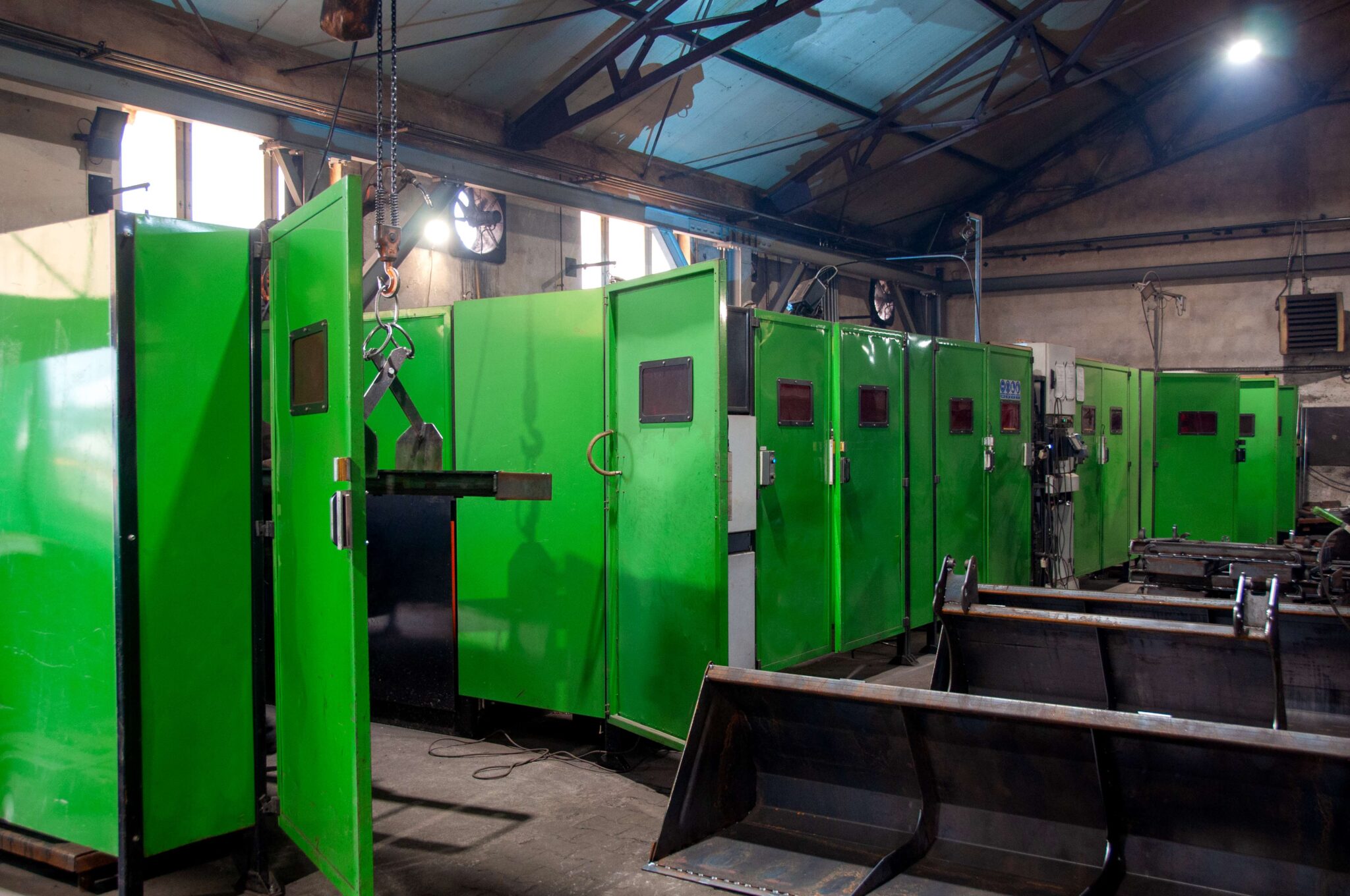
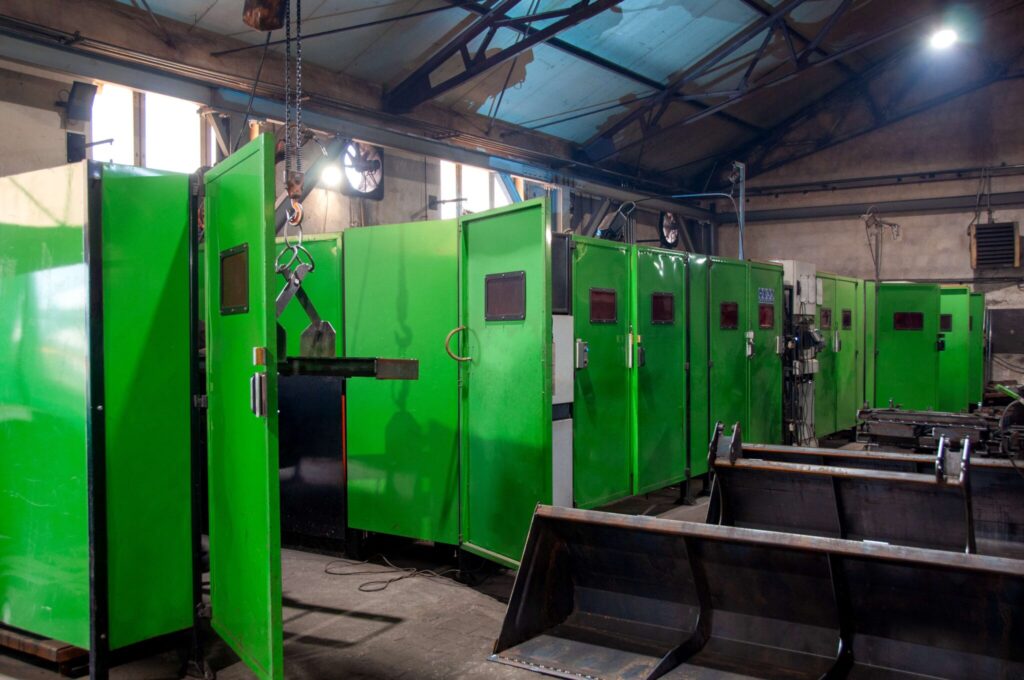
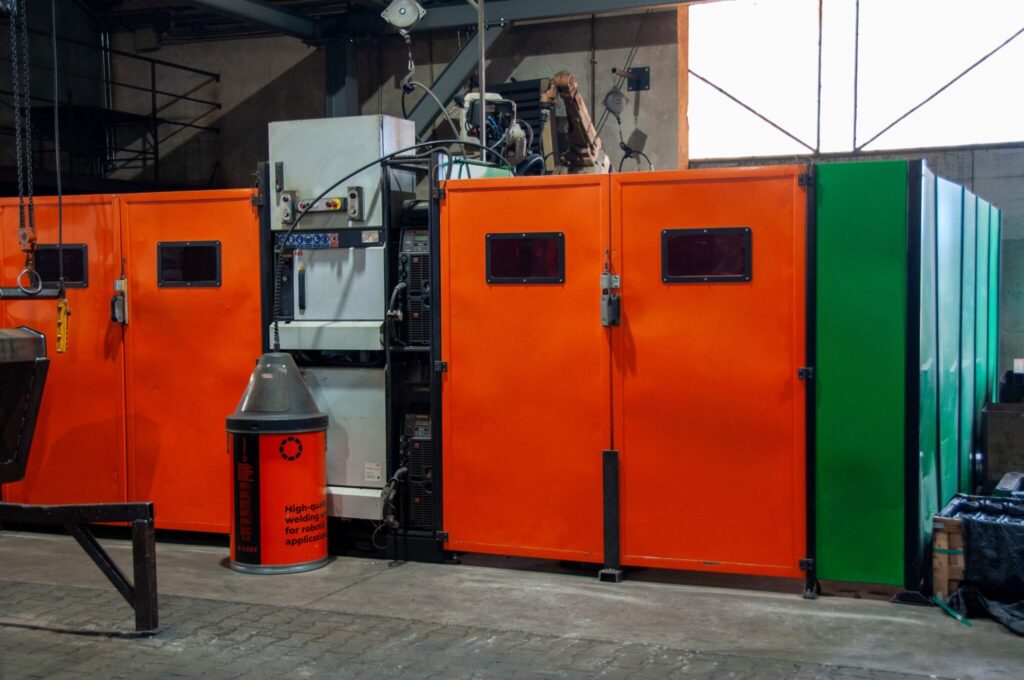
At Metal-Technik, we utilize, among other things, precision welding with welding robots. This ensures high quality and repeatability of welds, which translates into the durability and reliability of structures. The automated welding process increases production efficiency by reducing execution time and minimizing the risk of human errors. Furthermore, robotization allows for precise execution of complex welds, which improves the aesthetics and strength of the finished product.
CDN