




Front loader production stages - part 2 (bending).
Bending of structural elements.
As promised, we present the next stage of production for the TYTAN MT front loader.
This time, bending structural elements.
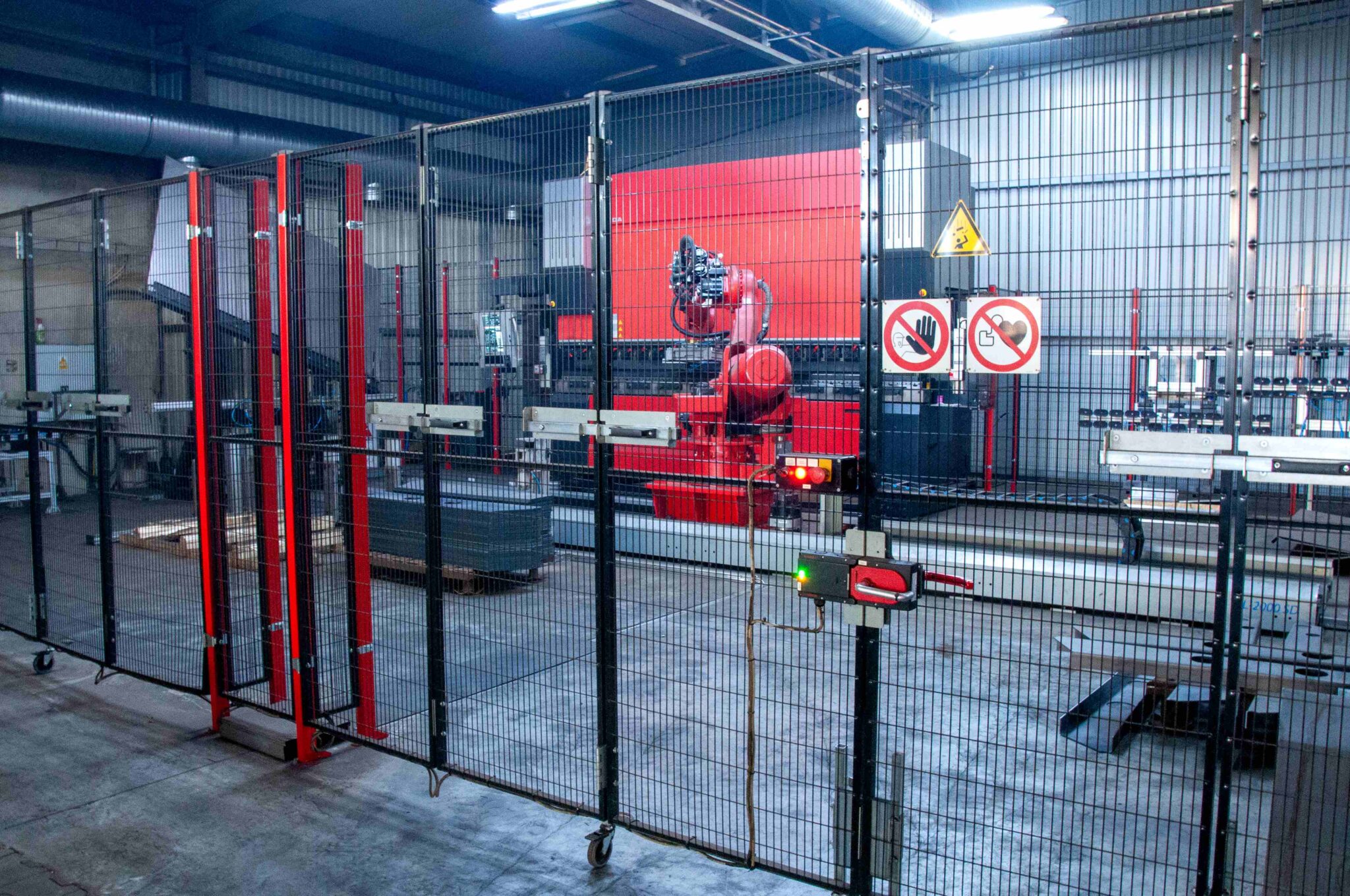
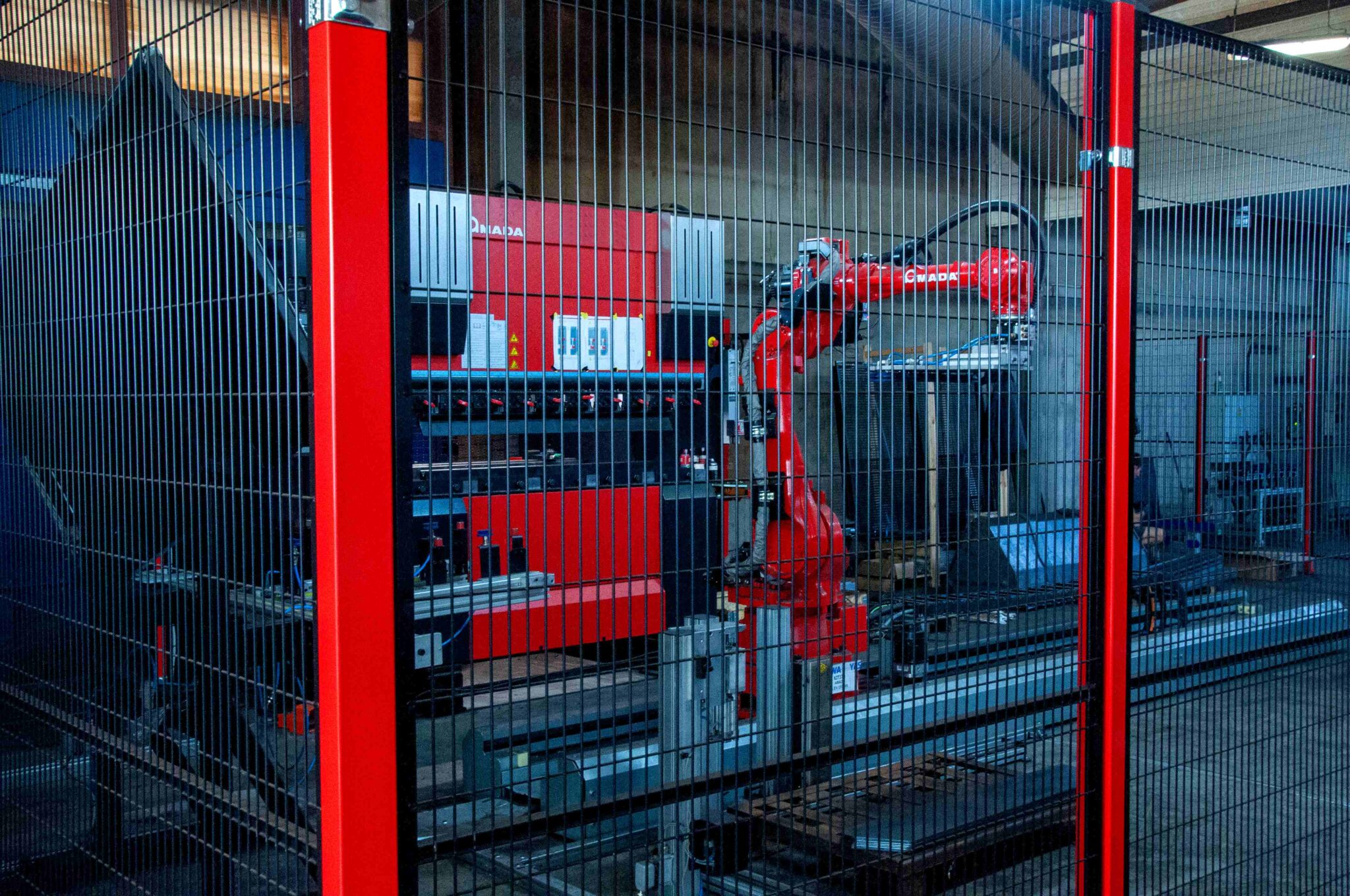
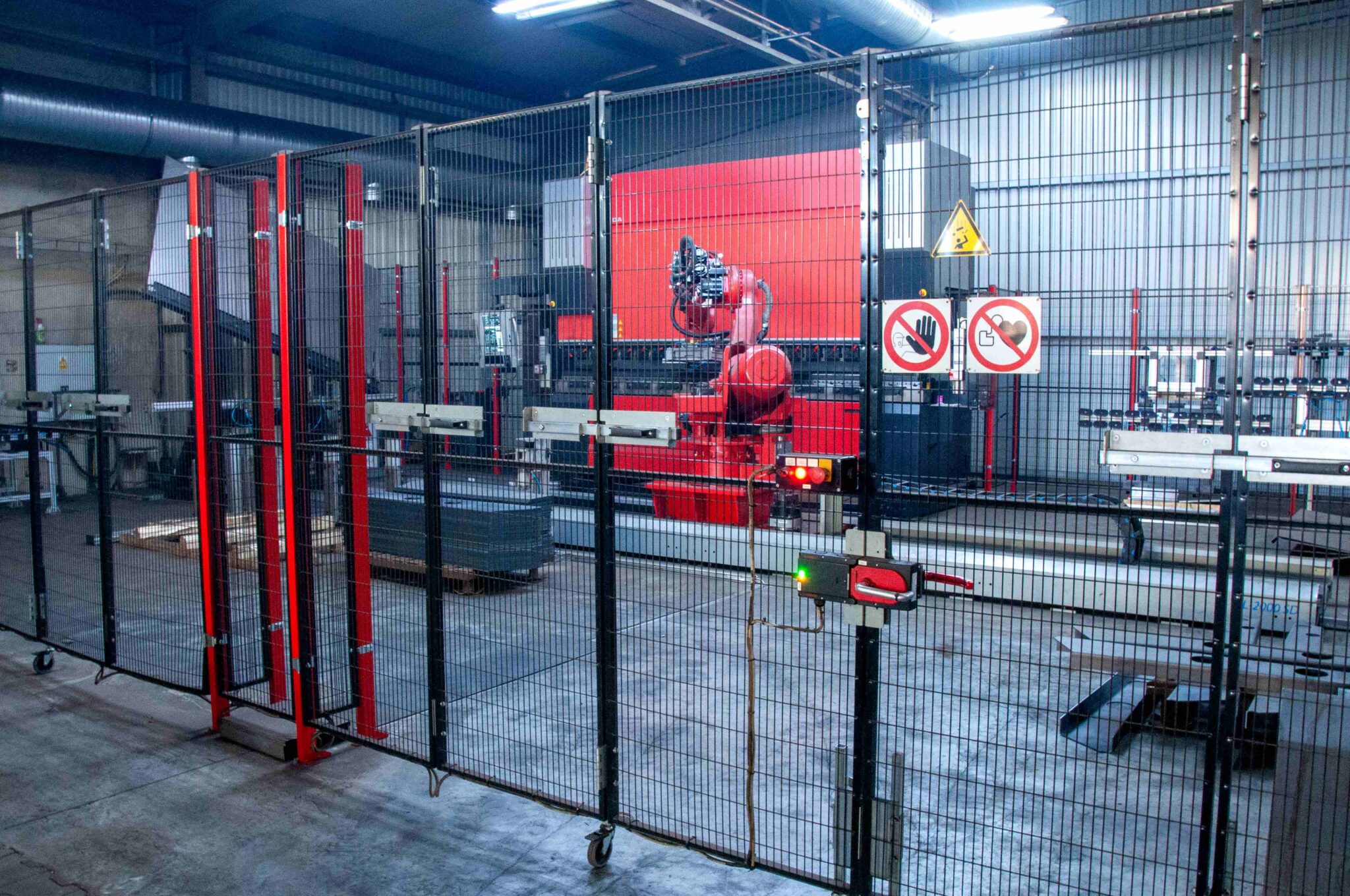
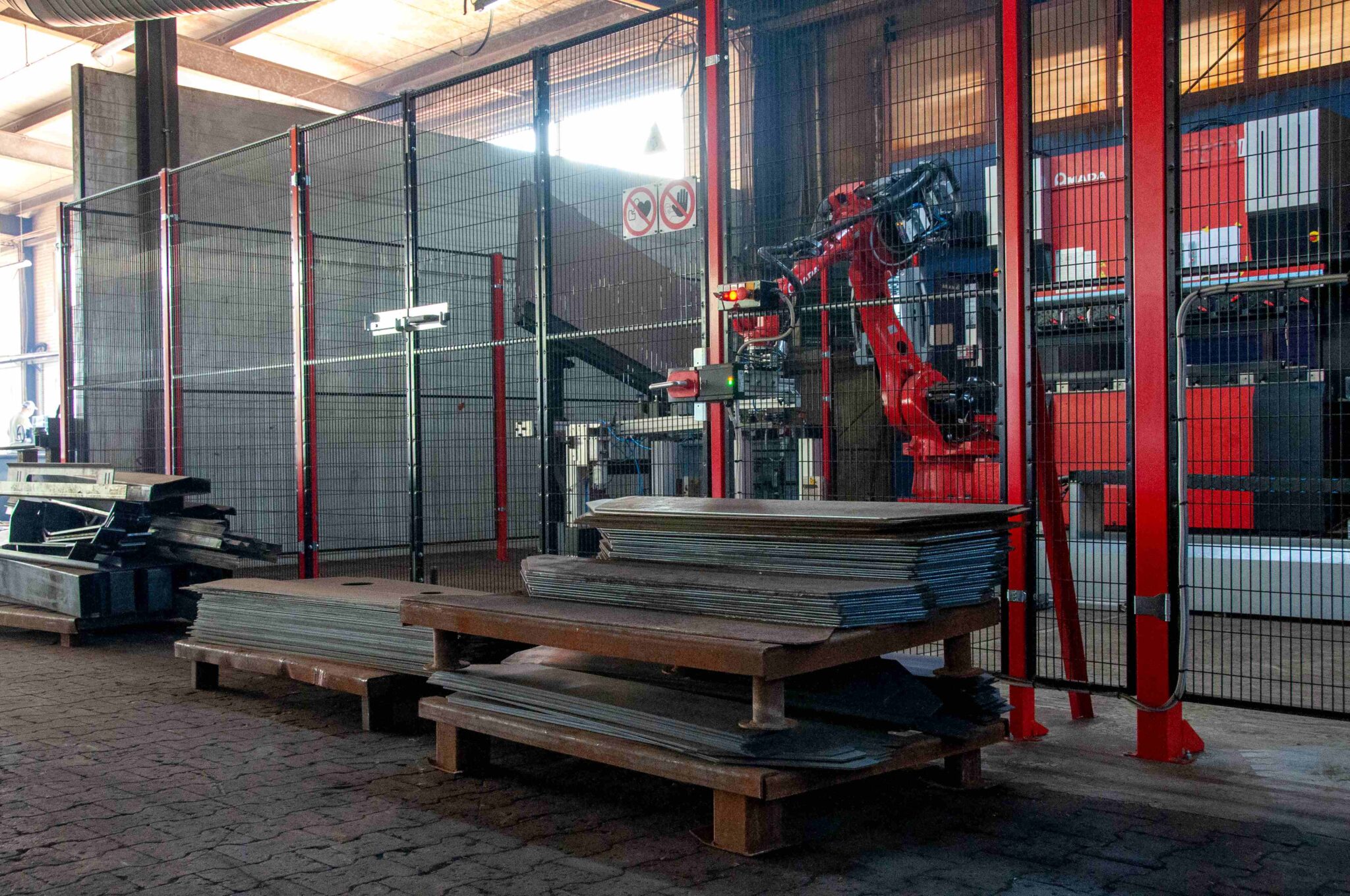
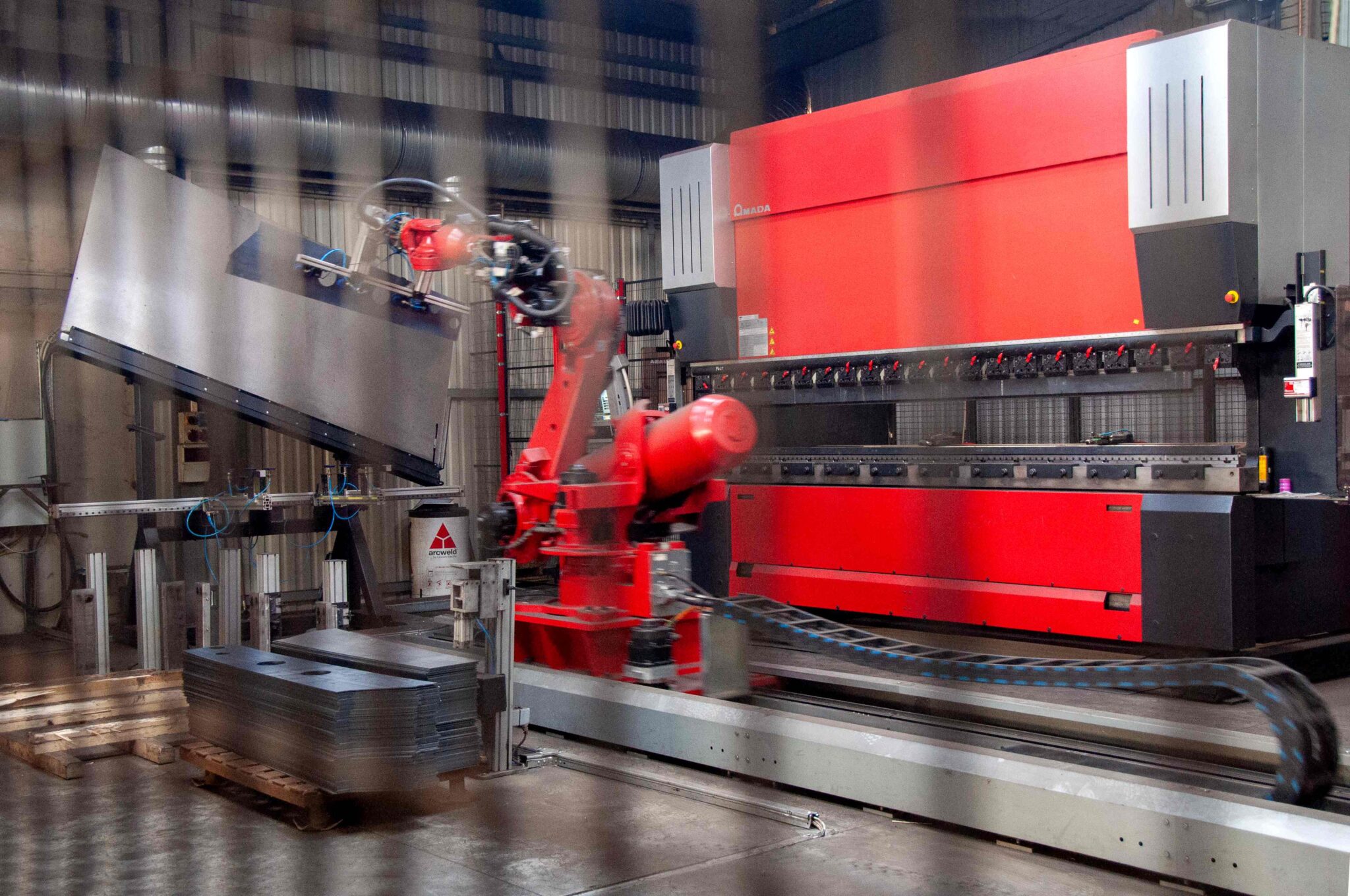
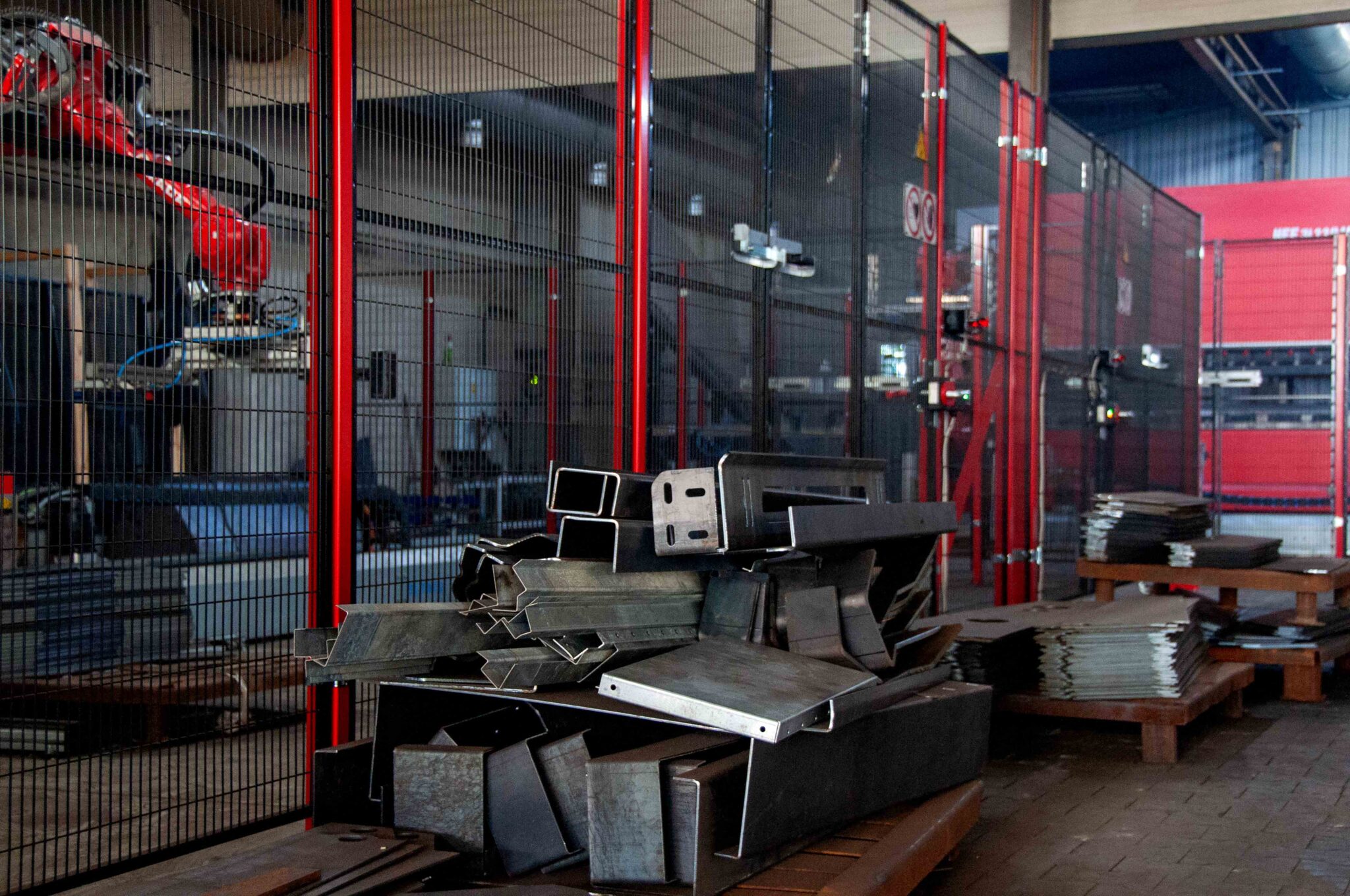
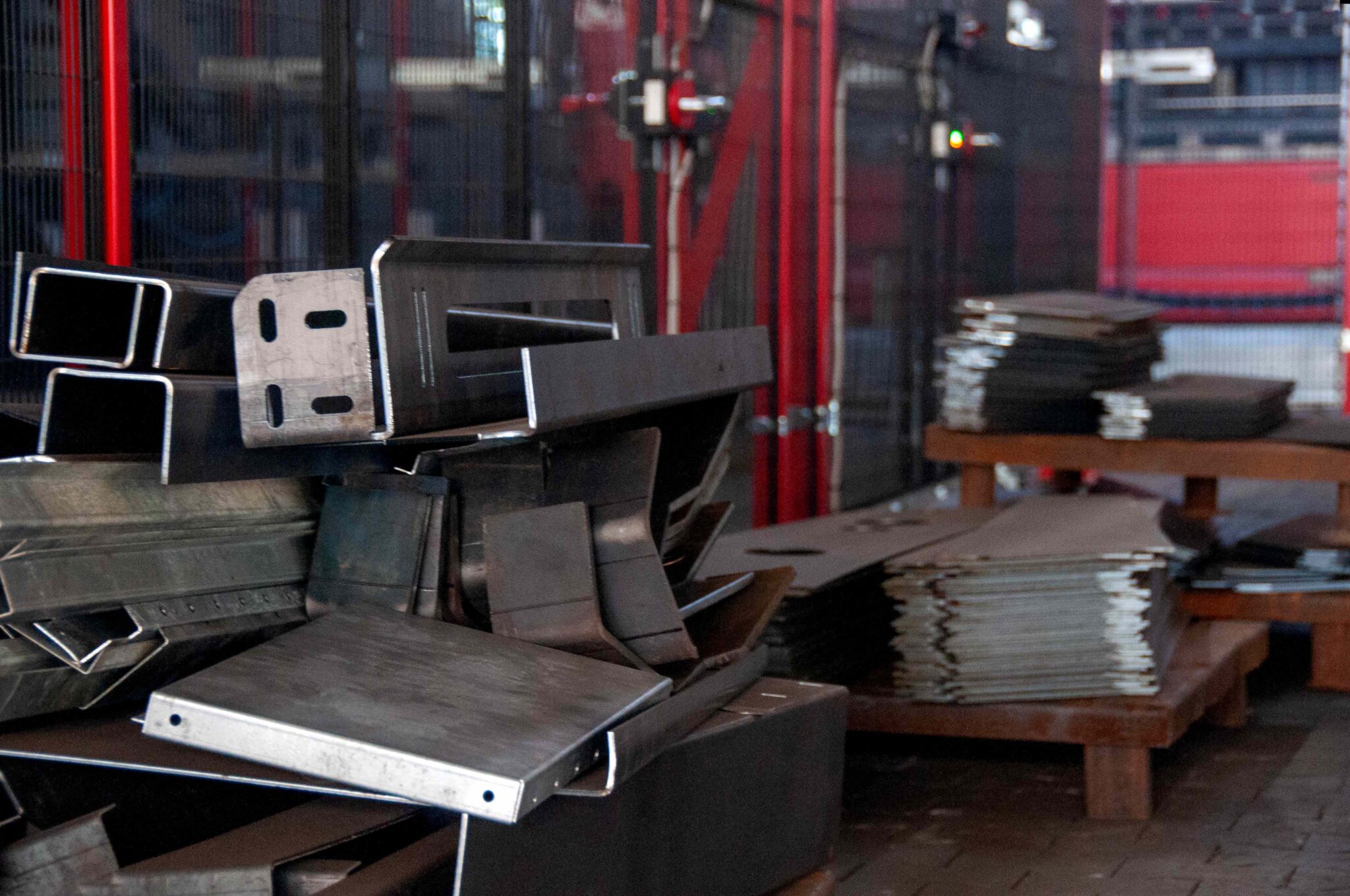
High-quality, precise bending of steel structural components for Metal-Technik front loaders using an Amada HFE robot is a key process in the manufacturing of these machines. Amada HFE robots are advanced bending machines that ensure exceptional precision, repeatability, and efficiency in metal processing.
This is how the process works:
1. Selection of appropriate tools and parameter settings
The Amada HFE robot is equipped with advanced CNC control systems that allow for precise bending parameter adjustment. The operator inputs technical specifications into the system, such as:
• thickness and type of steel,
• dimensions of elements,
bending angle,
- force of pressure.
2. Material Preparation
Steel components are precisely prepared before the bending process. They are cut to the correct dimensions and checked for quality and material integrity to ensure compliance with technical requirements.
3. Bending Process
Proper bending is done in several stages:
• Material Positioning: The steel component is precisely placed on the robot's worktable, which is equipped with positioning systems and grippers to ensure material stability during bending.
• Bending Operation: The Amada HFE robot performs bending by moving the punch downwards onto material placed on the die. Precise control over speed, force, and bending angle is crucial for achieving accurate and repeatable results.
• Quality Control: After each bend, the component is checked for compliance with dimensions and bending angle. Thanks to advanced sensors and cameras, the Amada HFE robot can automatically correct minor deviations in real time.
4. Repeatability and Efficiency
Amada HFE robots are capable of continuous operation, which increases production efficiency. Their advanced systems allow for:
• automation of repetitive tasks: thereby eliminating human errors,
• speed and precision: which speeds up the entire production process, minimizing downtime,
• increased production quality: thanks to constant control of bending parameters and automatic corrections.
5. Process Termination
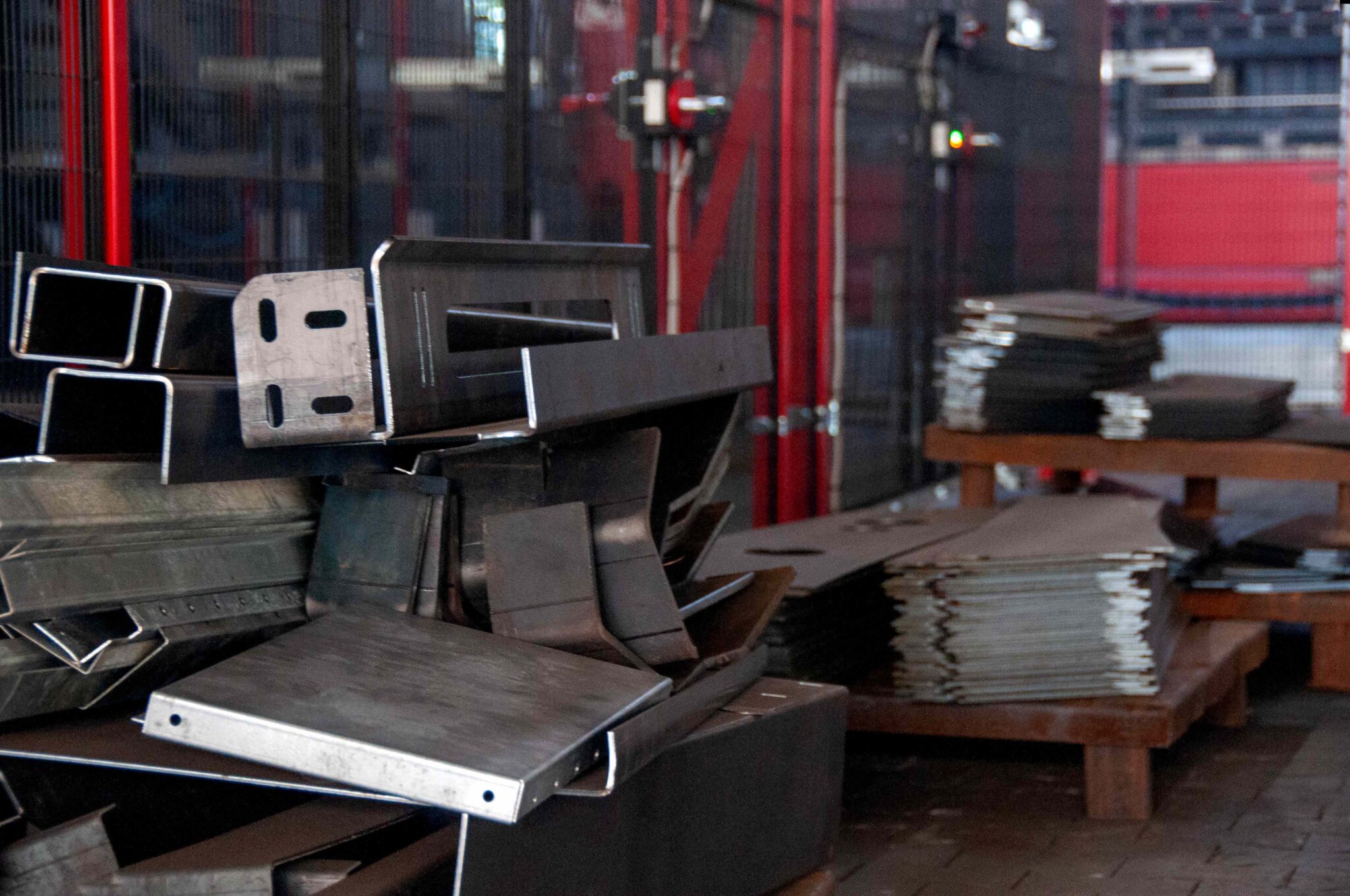
After the bending process is completed, the finished components are removed from the robot's table and undergo further production stages, such as welding, assembly, or painting. Quality control at each stage ensures that the final product meets the highest quality standards.
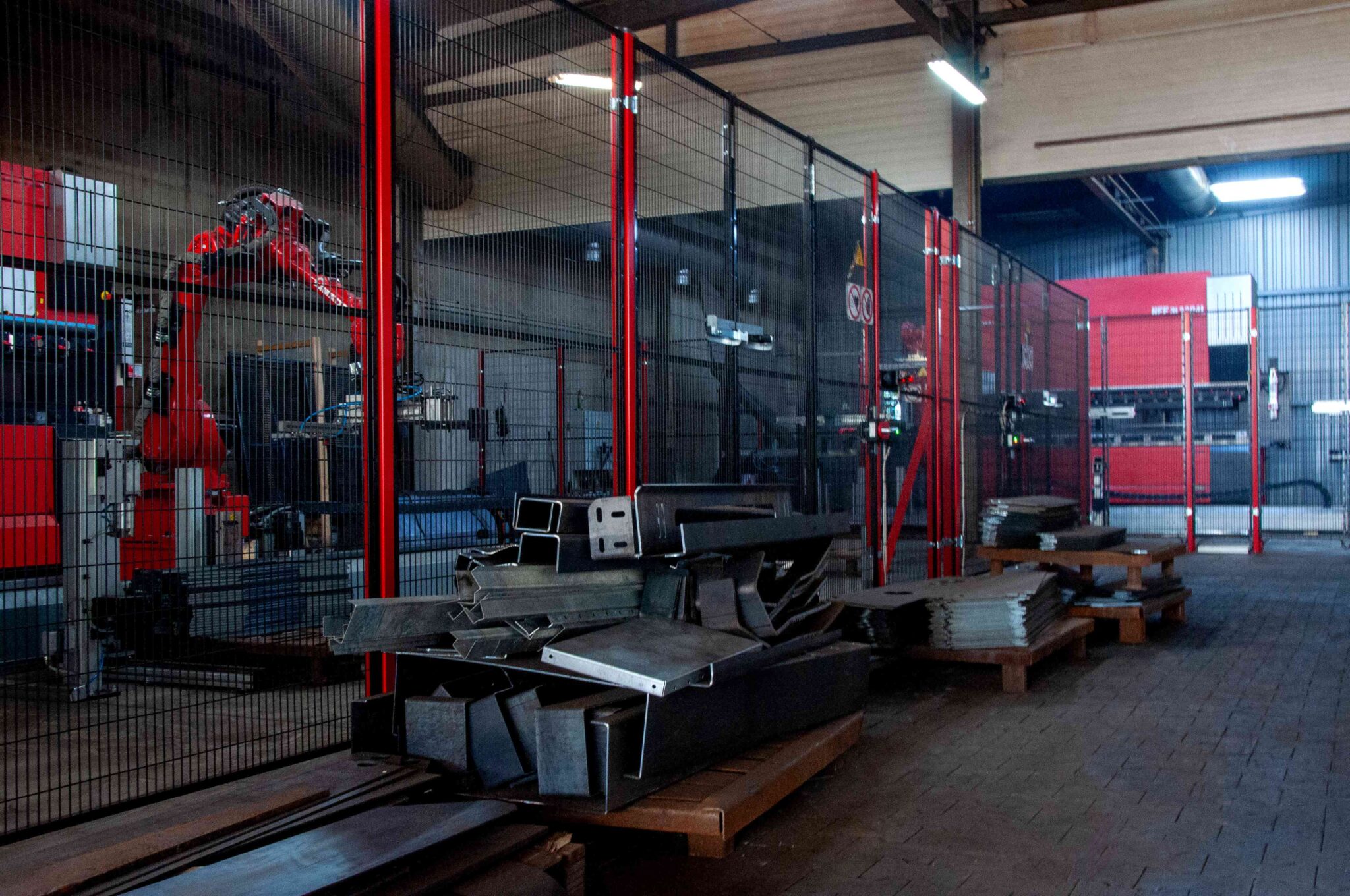
High-quality bending using the Amada HFE robot allows Metal-Technik to produce durable and precisely manufactured front loader structural components that are reliable and meet all technical requirements.
As you can see, this is a very precise stage of production.
A professional team of specialists ensures the quality of the manufactured product, utilizing extremely precise robots.
This collaboration guarantees the highest quality of the finished product, which we can enjoy on the farm.
CDN
The next stage is welding.